Jiangsu Huachen Transformer Co.,Ltd.
- All
- Product Name
- Product Keyword
- Product Model
- Product Summary
- Product Description
- Multi Field Search

Views: 0 Author: Site Editor Publish Time: 2024-08-29 Origin: Site


Oil Immersed Transformersare a critical component in electrical distribution systems, ensuring the efficient and reliable transfer of electrical energy. Proper maintenance of these transformers is essential to prolong their lifespan and maintain optimal performance. In this article, we will explore various maintenance tips for oil immersed transformers, focusing on key aspects that ensure their smooth operation.
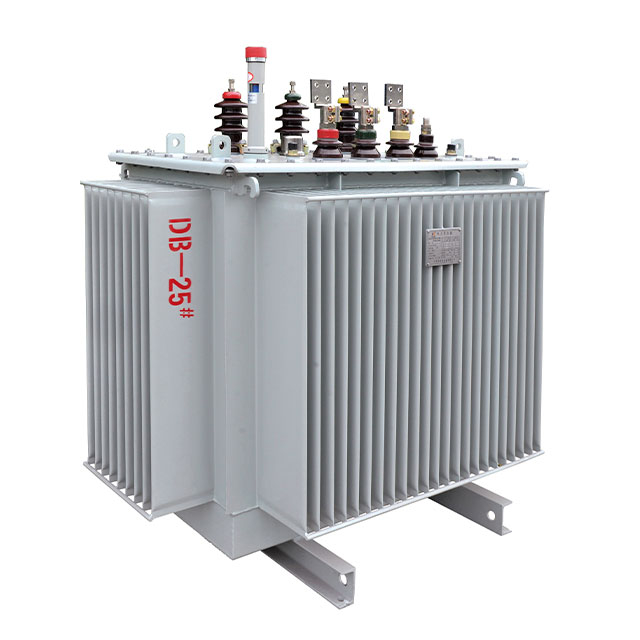
Oil Immersed Transformers, also known as oil filled distribution transformers, are transformers that use oil as an insulating and cooling medium. The oil helps to dissipate heat generated during the transformer's operation and provides insulation between the internal components.
There are several types of oil immersed transformers, including oil immersed distribution transformers and oil immersed power transformers. Each type is designed for specific applications and has unique features that cater to different operational requirements.
Regular visual inspections are crucial for identifying any signs of wear and tear, leaks, or damage to the transformer. Check for oil leaks, rust, and any physical damage to the transformer casing. Ensure that all connections are secure and free from corrosion.
The quality of the oil in oil immersed transformers plays a significant role in their performance. Regularly test the oil for moisture content, acidity, and dielectric strength. Oil deterioration can lead to insulation aging and reduced efficiency. Using high-quality oil from reputable oil filled transformer manufacturers can help maintain the transformer's performance.
Over time, the oil in oil immersed transformers can become contaminated with impurities. Regular oil filtration and replacement help maintain the oil's insulating properties and cooling efficiency. Ensure that the oil used meets the specifications recommended by the transformer manufacturer.
Keep the cooling system clean and free from obstructions. Regularly clean the radiators, fans, and cooling fins to ensure efficient heat dissipation. Proper cooling is essential to prevent overheating and extend the transformer's lifespan.
Regular testing and calibration of protective relays and other monitoring equipment are essential to ensure the reliable operation of oil immersed transformers. Properly functioning protective devices help prevent damage and extend the transformer's lifespan.
Always follow the maintenance guidelines provided by the oil immersed transformer manufacturers. These guidelines are tailored to the specific design and operational requirements of the transformer, ensuring optimal performance and longevity.
Maintaining oil immersed transformers is crucial for their efficient and reliable operation. Regular inspections, oil quality monitoring, preventive maintenance practices, and advanced diagnostic techniques are essential to ensure the longevity and performance of these transformers. By adhering to manufacturer guidelines and implementing these maintenance tips, you can enhance the operational reliability of your oil immersed transformers and ensure the smooth functioning of your electrical distribution system.