
Jiangsu Huachen Transformer Co.,Ltd.
- All
- Product Name
- Product Keyword
- Product Model
- Product Summary
- Product Description
- Multi Field Search

Views: 0 Author: Site Editor Publish Time: 2025-05-21 Origin: Site


A transformer changes voltage levels. It steps power up for transmission, steps it down for use. No transformers, no power at homes or businesses.
On poles in neighborhoods
Inside metal boxes near streets
In factories and large buildings
Inside substations
Dry-type distribution transformers often sit indoors or in clean environments. Oil-immersed distribution transformers handle outdoor, high-load jobs.
Transformers make grids work. High-voltage power from plants gets reduced for safe use. They allow safe energy flow over long distances.
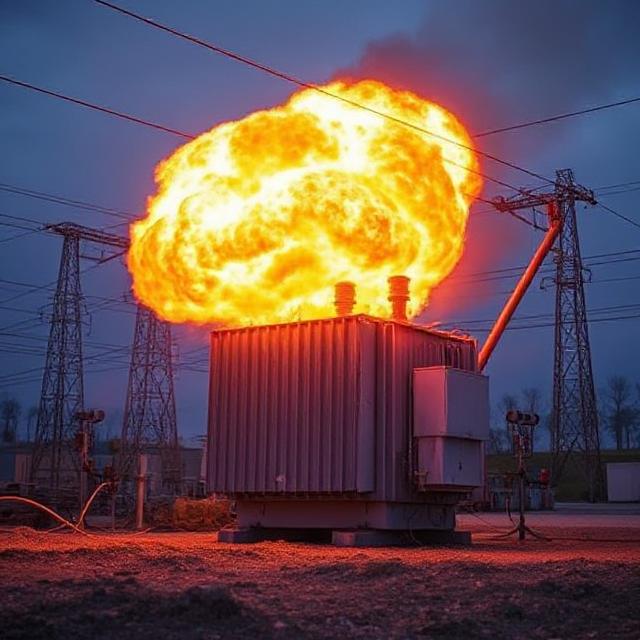
Smoke or black marks
Burned casing or melted components
Fallen utility poles
Fire from the transformer box
Oil-immersed distribution transformers may leak or explode from the tank. Dry-type distribution transformers might overheat or crack from inside.
Loud pop, boom, or snap
Humming turning into silence
Crackling sounds
Nearby residents may hear it clearly. It's often sudden and shocking.
When internal insulation fails, it ignites. Sparks fly. Flames shoot. Smoke rises. Some cause full-blown fires. Especially in oil-immersed distribution transformers, oil fuels explosions.
Power outage in affected area
Voltage drops
Neighboring equipment overloads
Chain failures if protection systems fail
Grid stability drops. Utilities act fast to contain spread.
Too many devices pull more power than designed. Overheats windings. Eventually melts insulation. Failure follows.
Over time, insulation weakens. Moisture, heat, and chemical reactions break it down. Arcs form. Sparks jump. Transformers blow.
Decades-old transformers often lack modern protection. No regular testing or inspections? Failures go unnoticed until it’s too late.
Poor winding design. Faulty bushings. Cheap insulation. All can cause internal breakdown even early in service life.
Loose wires, contact faults, or internal coil shorts send energy where it shouldn't go. Arcs form. Temperatures spike. Damage erupts.
Lightning, switching surges, or grid faults inject high voltages. Oil-immersed distribution transformers especially at risk due to grounded tanks.
Unsecured terminals vibrate. Heat builds. Sparks jump. Leads to minor arc, then total failure.
A direct lightning hit sends millions of volts through metal. Immediate failure. Often explosive. Surge arresters help but not always.
Water floods windings. Ice cracks insulation. High heat accelerates chemical aging. Natural stress breaks equipment.
Cars hit utility poles. Excavators cut underground cables. Vibrations knock loose parts. All lead to sudden breakdowns.
Squirrels chew wires. Birds build nests on live components. Small mistakes create massive failures. Many urban outages trace back to animals.
Most common effect. Everything connected to that transformer loses power instantly.
Voltage spikes or drops fry devices. Fridges, ACs, even servers crash. Businesses lose time and money.
Blown oil-immersed distribution transformers leak hot oil. It ignites nearby grass or wood. Fire spreads to homes.
Critical systems go offline. Traffic lights stop. Phone towers go dark. Public safety gets compromised.
Explosions injure bystanders. Burning oil can cause toxic smoke. Electrical arcs may jump to nearby objects.
Keep a safe distance. Don’t touch downed lines or smoking equipment. Warn others.
Use emergency numbers. Give location. Ask for ETA.
They handle burning oil-immersed distribution transformers. Water isn’t always safe. Specialized foam may be needed.
File claims for fried electronics, property damage, or business interruption.
Needed for private transformers or if the property owns the unit.
Take pictures. Note times. Save receipts for food loss, repairs, or generators.
| Severity | Repair Time | Description |
|---|---|---|
| Minor Fault | 30 min - 2 hrs | Fuse or bushing replacement |
| Medium | 6 - 12 hrs | Replace small dry-type distribution transformer |
| Major | 1 - 5 days | Oil-immersed distribution transformer replacement |
| Catastrophic | 1 - 3 weeks | Custom builds, site rebuilds |
Remote areas take longer
Lack of spare parts
Extreme weather delays work
Transformer type: dry-type distribution transformers need less time
Portable generators
Mobile substations
Battery packs for sensitive equipment
Backup plans help hospitals, data centers, and businesses survive outages.
Annual DGA testing
Thermographic scans
Bushing resistance checks
Don’t overload circuits
Balance power distribution
Monitor peak usage
These shield transformers from power surges. Crucial in storm-prone areas.
Use shelters for dry-type distribution transformers. Install drains around oil-immersed distribution transformers. Keep away from flood zones.
Smart grids help detect faults early. Upgrading aging infrastructure prevents sudden failures.
Likely causes:
Overloading
Poor maintenance
Environmental stress
Smoke
Flames
Loud explosion
Flash of light
They might burn out. Surge protection helps. Sensitive devices may need replacement.
2 hours to 3 days depending on fault type, weather, and access.
Lightning hits
Water causes shorts
Wind knocks over poles
Yes. Keep it clean
Schedule regular checks
Install surge protection
Use modern models
Knowing what to do keeps people safe. Cuts down outage time. Protects property.
Use smart monitoring
Upgrade old transformers
Create response plans
Invest in modern transformers, both dry-type distribution transformers and oil-immersed distribution transformers. Design for weather. Prepare for faults. Keep the power flowing.
A blown transformer can be scary. But knowing the risks, signs, causes, and steps makes all the difference. Be prepared. Be informed. Stay safe.


