
Jiangsu Huachen Transformer Co.,Ltd.
- All
- Product Name
- Product Keyword
- Product Model
- Product Summary
- Product Description
- Multi Field Search

Views: 0 Author: Site Editor Publish Time: 2025-05-21 Origin: Site


A transformer shifts voltage up or down. It lets power move long distances, then supplies homes or factories at usable levels. Without it, no grid works. No lights. No machines. Just blackouts.
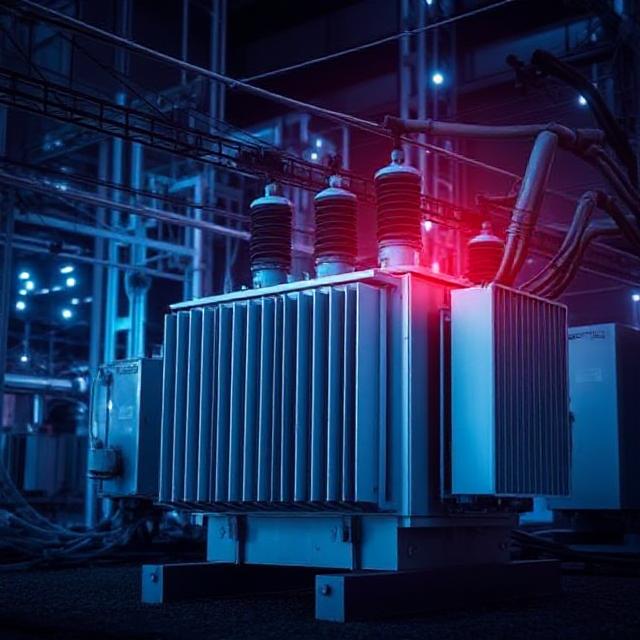
It moves energy between circuits. One coil to another. Voltage increases or decreases. High voltage for travel. Low voltage for use.
Dry-type distribution transformer: No oil. Air-cooled. Cleaner. Safer indoors.
Oil-immersed distribution transformer: Oil-cooled. Tough. Long-lasting. Best outdoors.
Power transformers: Huge. High-voltage. Used at grid level.
Each serves a different purpose. Size, cooling, voltage level—all vary.
Overload: Too many devices pull power.
Short circuit: Faults trip it.
Aging: Worn insulation. Old cores.
Water, fire, wind: Nature damages equipment.
Squirrels, birds: Yes, animals cause failures.
Humming grows louder
Lights flicker
Oil leak from oil-immersed distribution transformer
Burnt smell or smoke
Frequent breaker trips
Replacement time depends on type, location, and problem. Small residential units take hours. Grid-scale transformers take weeks.
| Transformer Type | Average Time | Key Notes |
|---|---|---|
| Pole-mounted (small) | 3–6 hours | Quick. Done by small crew |
| Pad-mounted | 6–12 hours | Urban, schools, parks |
| Medium industrial | 1–3 days | Needs crane, crew, testing |
| High-voltage substation | 1–2 weeks+ | Heavy lift, custom order |
Faster jobs need fewer tools. Slower ones involve permits, site work, tests.
Transformer in stock
Good roads
Sunny weather
Trained team on call
No parts nearby
Bad access roads
Storm or snow delay
Custom design needed
Team checks safety. Disconnects power. Looks for signs of fire or leaks. Verifies site is secure.
Disconnect wires
Unbolt unit
Lift and transport away
Oil-immersed distribution transformers weigh more. Needs cranes. Takes longer.
Move replacement unit to site
Use trucks, forklifts, cranes
May take hours to a day
Rural sites take longer. No road? Add delays.
Mount it on pad or pole
Align connectors
Secure frame and housing
Dry-type distribution transformers go in schools, malls, indoor plants. Easy to handle. Faster install.
Voltage and insulation checks
Load test
Thermographic imaging
Power only resumes after testing proves safe.
Dry-type distribution transformer: Lighter. Quicker.
Oil-immersed distribution transformer: Heavier. Needs more care.
Grid transformers: Huge. Require permits.
Urban: Fast. Roads, cranes, support.
Remote: Slow. No roads. Helicopter maybe.
Short crew? Delays.
Missing gear? Hours wasted.
Floods block access
Snow slows down crews
Heat makes oil expand
Substation-level changes need government approval
Urban sites need traffic reroutes
Cranes fail
Trucks stuck
Tools missing
Custom bushings or fuses on backorder
No inventory near site
Global shipping delays affect large projects. Sourcing from abroad? Expect weeks.
Fuse blown? Fix in an hour
Loose wire? Quick tighten
Dry-type distribution transformer cleaning? Half day job
Burnt coils
Cracked casing
Oil tank explosion
| Action | Time | Cost | Use Case |
|---|---|---|---|
| Fuse repair | 30 min–1 hr | Low | Basic outage |
| Bushing replacement | 3–4 hrs | Medium | Ceramic crack |
| Coil rewind | 1–2 days | High | Short inside |
| Full replacement | 1–3 days+ | Highest | Major damage |
Useful in malls, campuses, substations
Swap and go
Avoid surprise breakdowns
Spot oil leaks early
Designed to swap fast
Less rewiring needed
Experts move fast
No need to train
3–6 hours. Quick job if access is easy.
Add 2–7 days for shipping. Rural? More.
Yes. Depends on damage type. Repairs faster.
Hard roads. Long travel. Less crew.
Dry-type distribution transformers faster. No oil drain or leak check needed.
Being ready means less downtime. Minutes matter.
Choose teams that:
Bring tools
Know terrain
Keep spare parts
Smart sensors warn early
Surge protectors stop overloads
Dry-type distribution transformers for fire-sensitive areas
| Factor | Impact |
|---|---|
| Transformer type | Oil-based takes longer |
| Damage extent | Severe = longer process |
| Location | Remote = delay |
| Equipment | Missing tools slow work |
| Team expertise | Skilled = faster |
Replacing a transformer can be fast or slow. Know your unit. Plan ahead. Keep spares. Hire experts. Save time, save power. Whether it’s a dry-type distribution transformer or an oil-immersed distribution transformer, understanding timelines and preparation steps will always reduce downtime and cost.


